
Services
Water for Industry, People, and the Environment
Expert engineering, environmental, and water treatment solutions — from treatability assessments and process design through construction administration, regulatory permitting, and ongoing compliance support.
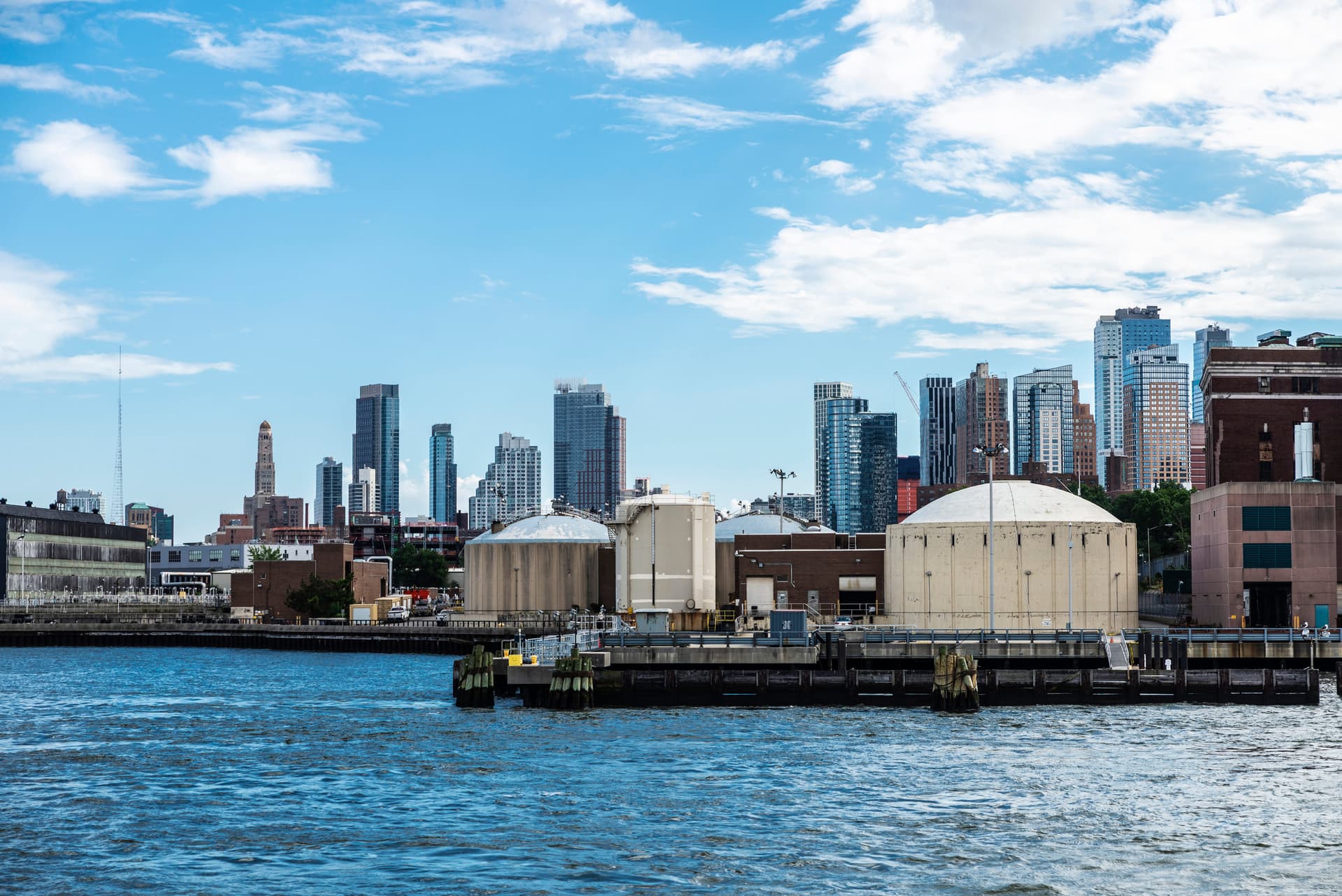
Water Treatment Facility Design | Confidential Client, New York
Developed a preliminary water treatment plant design and associated cost estimate (CAPEX and per annum OPEX) for an ion-exchange-based water treatment system specifically designed to target Radium-226/228, Uranium Oxide Compounds (UO2X), as well as various Volatile Organic Compounds (VOCs) and other radioactive constituents in the U-238 and U-235 radioactive decay series.
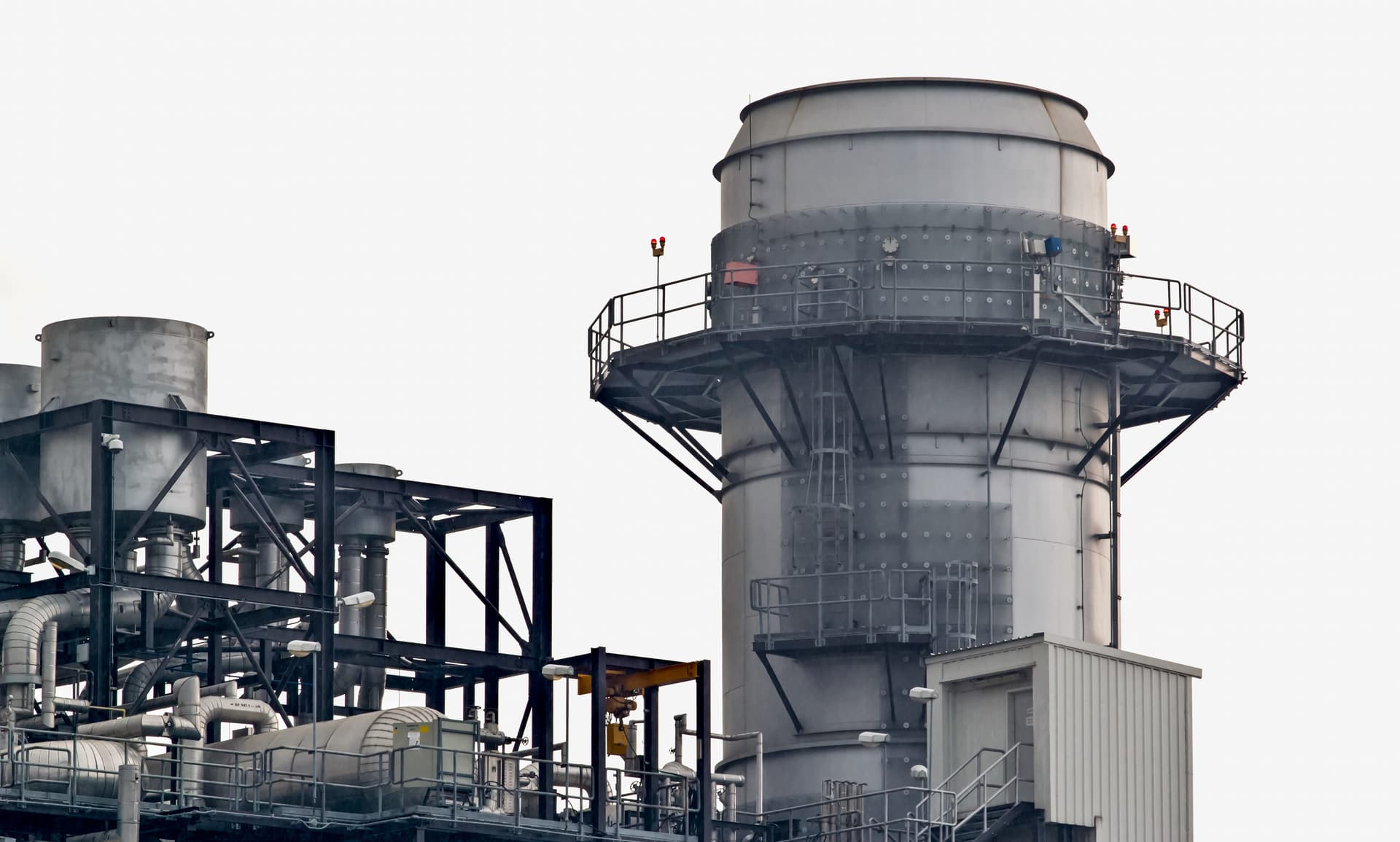
Combined Cycle Generating Station | Confidential Client, Mississippi
Senior technical advisor for copper mitigation study to reduce accumulated copper in water treatment plant discharges. Led efforts to identify and resolve copper buildup, identified feasible engineering and regulatory alternatives. Worked with client to identify a “best-fit” solution that minimized financial and regulatory risks while simultaneously engendering continued plant operations.
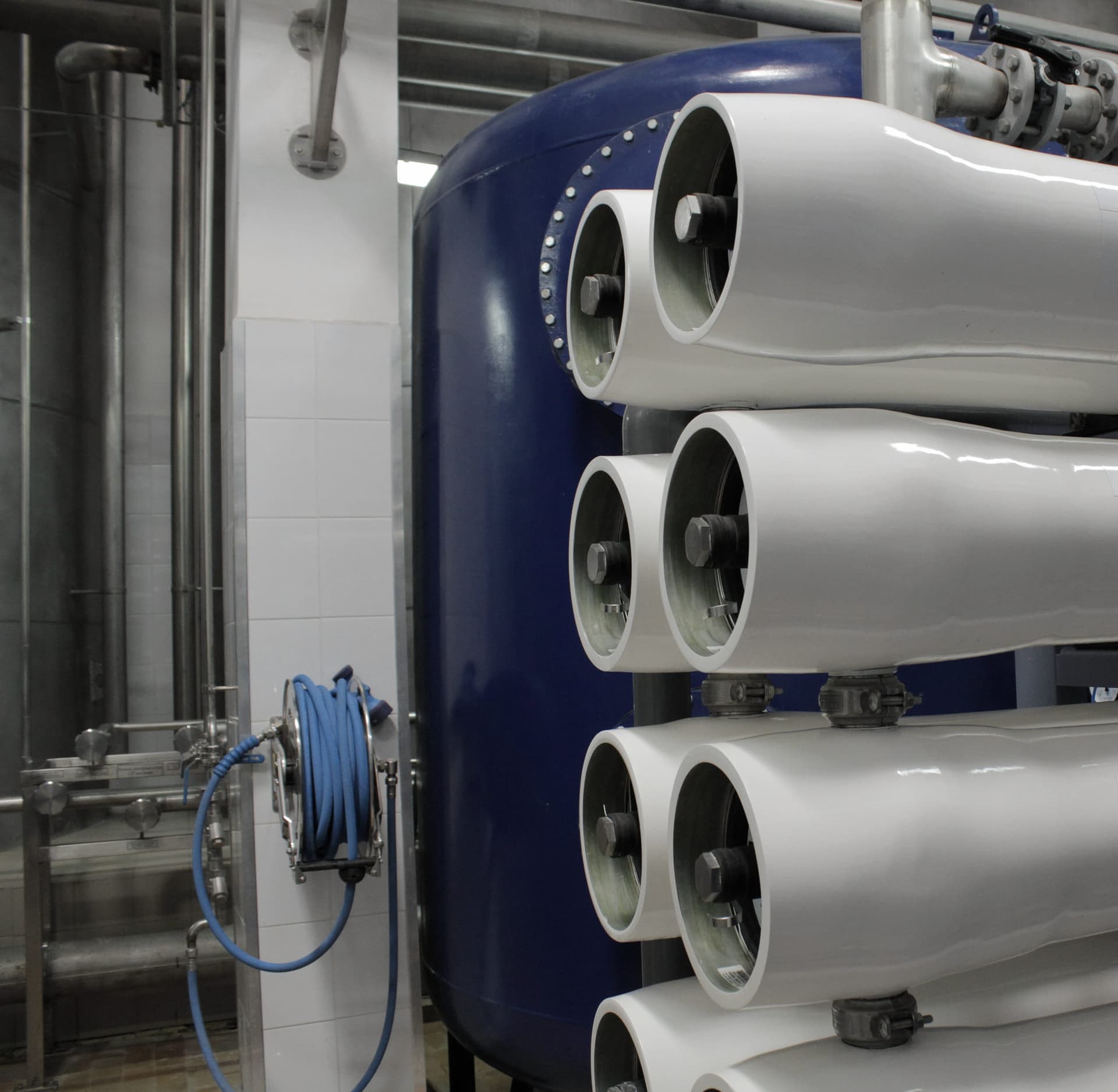
Environmental Superfund Site Groundwater Remediation Program | Confidential Client
Oversaw the planning, design and construction of three separate water treatment systems, including a 1200-gpm system using natural zeolites, an 1,800-gpm lime softening system (solids contact clarification system), with downstream microfiltration, and reverse osmosis, and a permeable reactive barrier to contain the migration of an impacted groundwater plume.
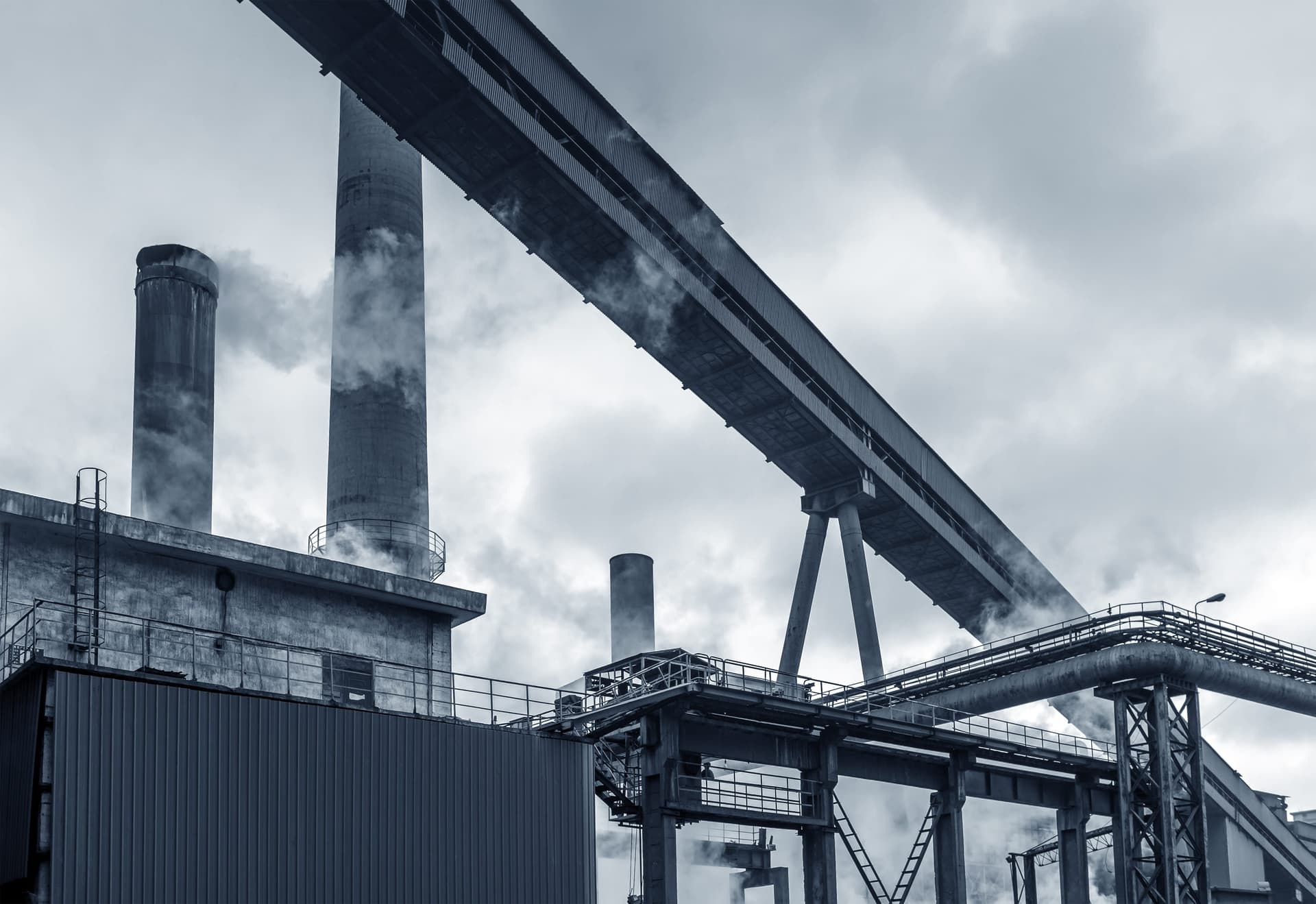
Coal Pile Runoff Pilot Treatment Plant | Chesterfield Power Station
Supported project management and construction management efforts, while simultaneously providing technical and process design expertise to help ensure Chesterfield was able to complete its EPA-driven initiatives in a timely manner. Project required an in-depth understanding of water treatment processes targeting arsenic, cadmium, mercury, and other trace metals, as well as a thorough knowledge of EPA regulations, esp. those pertaining to 40 CFR 257 and 261.
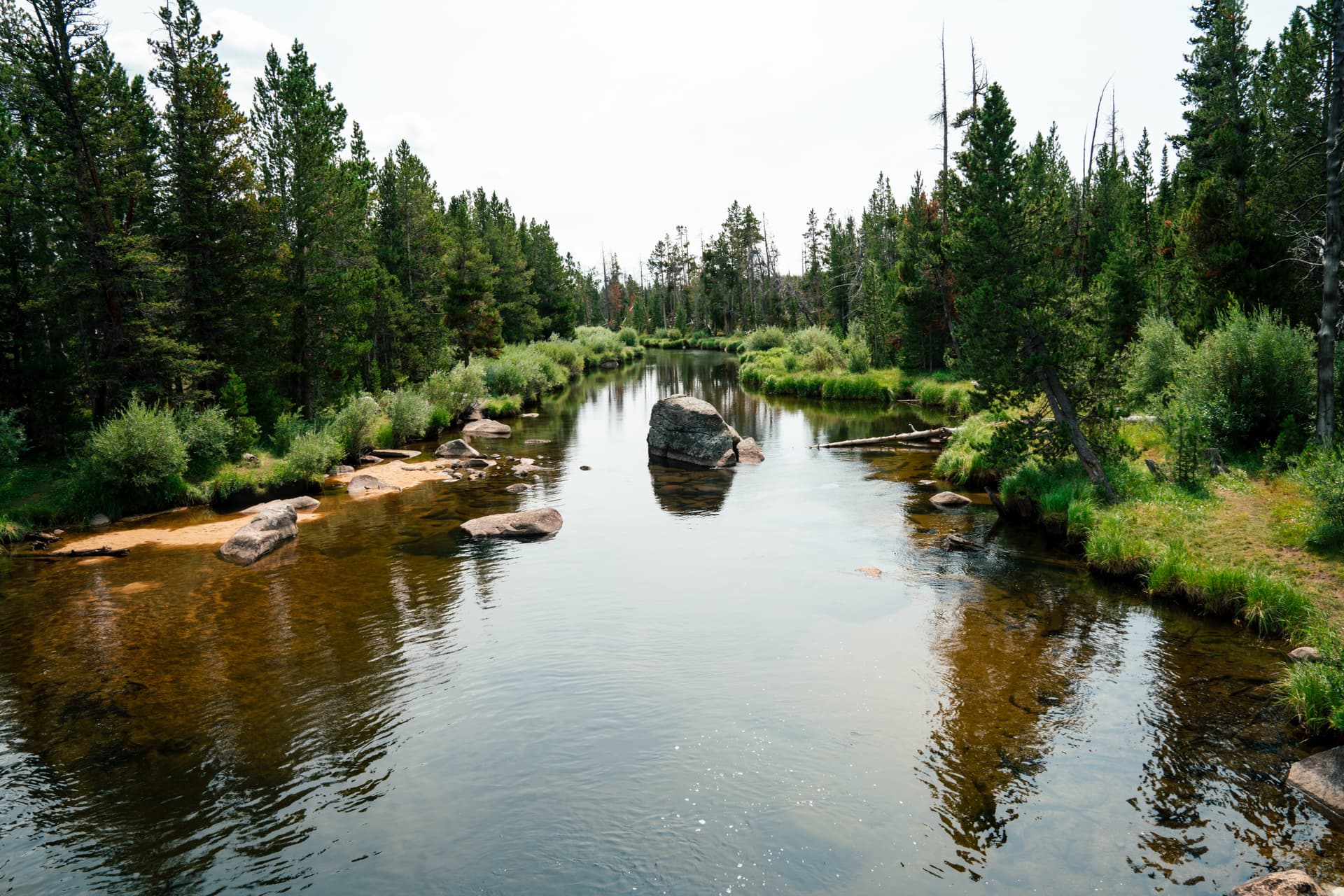
Water Management System Evaluation and Optimization Study | Confidential Client
Senior Technical Advisor to the engineering team for a study to determine remedial adequacy of the water treatment systems and water management practices at an historic copper mine governed under CERCLA and under active remediation.
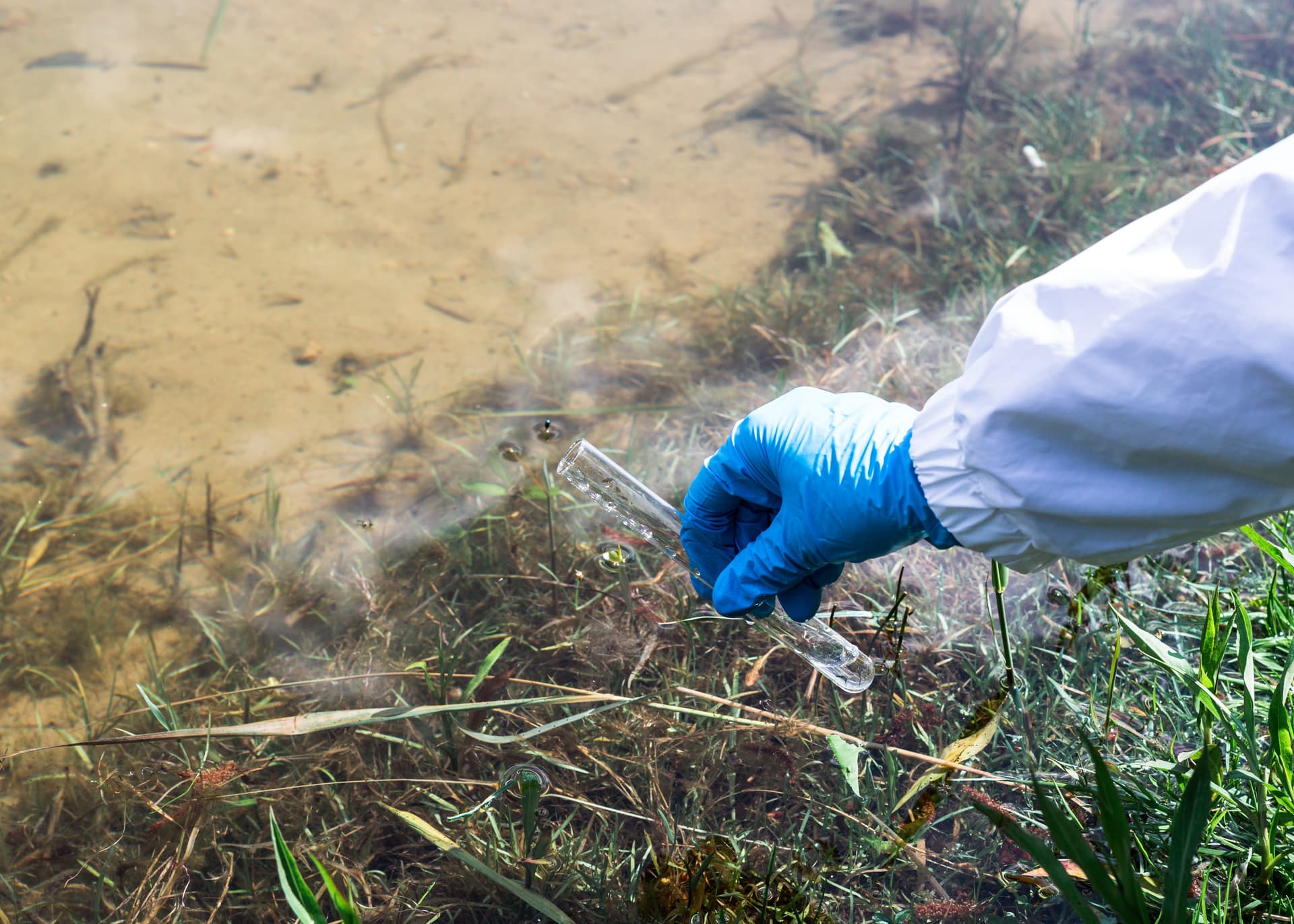
Wetlands Water Treatment System Evaluation / Mercury Recovery Pilot Plant | Confidential Client
Technical Lead for this project site which experienced elevated levels of mercury in its effluent discharges; pilot project involved design and development of an alum-induced coagulation water treatment system with subsequent filtration of suspended solids.
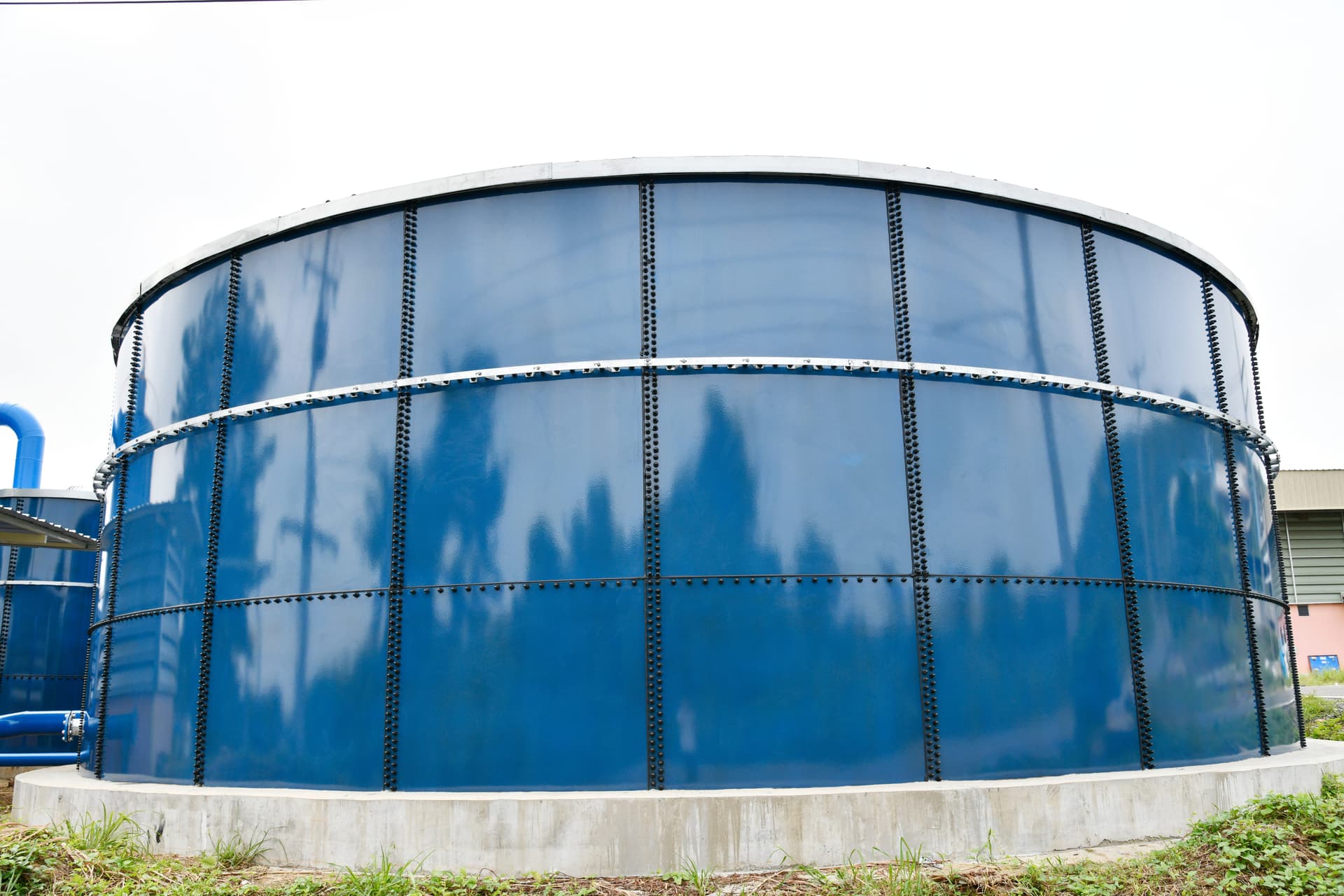
Water Treatment Plant – Construction and Operation Re-baselining Study | Confidential Client, Colorado
Technical Lead, directed the efforts of discipline engineering staff in evaluating and assessing the condition and completion status of a 7 million-gallon-per-day (MGD) water treatment facility for a client in southern Colorado.
Legacy Water Treatment Facility Targeting Selenium | Confidential Client, British Columbia
Supported evaluation and overhaul design of new biological treatment reactor for legacy mine site with heavy selenium and arsenic issues. Existing water treatment system was more than 25 years old and in bad need of refurbishment/ overhaul. Water treatment process involved selenium reducing bacteria as a batch process where temperature, pressure, nutrient loading, residence time, and pH of incoming water chemistry were critical considerations for water treatment plant performance.
Discipline
Engineering & Design
We consider the full lifecycle when engineering and designing your water treatment system so that it fits into a unified engineering workflow that meets your needs. Sustainability is always a front-of-mind consideration; our lifecycle engineering approaches evaluate environmental impacts across all phases, including material extraction, manufacturing, operation, disposal, and reclamation/ asset repurposing. We advocate for design-for-environment (DfE) and circular economy principles, which aim to minimize waste and maximize resource efficiency.
This is a critical function in large-scale projects, particularly in water, energy, and infrastructure, and even more pronounced in the industrial private sector. We provide our clients with the practical realization of full-process mechanical engineering systems by ensuring continuity, technical oversight, design validation, risk management, procurement support, construction administration and oversight, commissioning, operational readiness, and stakeholder alignment across for every phase of a project's lifecycle. As an Owner's Engineer/ Owner's Representative, we enable our clients to maintain "arm's-length" separation from architectural and engineering consultancies and construction contractors.
Treatability testing is an industry standard practice. These important studies are foundational components in the development of a water and wastewater treatment system, and are especially important in sustainable environmental remediation projects. These assessments evaluate the feasibility and effectiveness of treatment technologies for specific contaminants under controlled laboratory or pilot-scale conditions. We use the results of treatability studies to inform treatment technology selection, as well as to help ensure the recommended solution aligns with our client's overall objectives.
While we will always work to accommodate the needs of our clients, our preferred structured engineering approach is to identify, evaluate, and then compare multiple technical solutions for achieving the defined water treatment system objectives. This represents a critical intermediate step between feasibility studies and detailed design, ensuring that the treatment technology and process configuration are both technically viable and economically justified. Allowing time and budget to carry out these efforts is especially important when dealing with complex treatment systems where multiple technologies can be combined into different configurations.
For aging infrastructure, or when an asset's state of repair is unknown or questionable, we recommend performing an Asset Condition Assessment (ACA). Our stepwise process begins with a desktop review, followed by an on-site physical inspection to determine the operational and functional state of engineered assets over their lifecycle. Clients may have different reasons for performing an ACA. Some may wish to justify replacement, others may wish to justify continued safe use, while still yet others may undertake an ACA as part of a larger effort of risks to personnel safety, the environment, and regulatory compliance. Our typical approach is to utilize standardized rating systems to categorize asset health (e.g., excellent, good, fair, poor, critical). These ratings are derived from visual inspection, prior maintenance and repair history, performance metrics, and engineering judgment.
We advise our clients to consider the economic impact of any endeavor. The "financials" of any new undertaking is a central component of Toepfer & Associates, PLLC's service offerings, encompassing the evaluation of capital expenditures (CAPEX), operating expenditures (OPEX), and total lifecycle costs. These economic metrics provide a quantitative basis for comparing engineering alternatives and help our clients to select solutions that are technically feasible, financially viable, and aligned with their long-term goals. While we prefer to use our own proprietary economic planning tools, we will always show deference to our client's direction; we are familiar with ASPEN and other costing platforms.
Mass balance modeling is a core component of managing water availability, treatment capacity, and environmental discharge impacts. Hydraulic design is a fundamental analytical tool during process design to form the quantitative basis for process sizing, flow distribution, and system performance evaluation.
As part of taking process mechanical designs beyond the 30% level of effort, equipment sizing and vendor selection become more pronounced. We typically begin sizing components as part of the foundational basis of design (BoD) phase, and then confirm those assumptions at the 30% design phase. Around the 60% design phase, we strongly advise our clients to begin thinking about vendor selection. This begins the process of bridging process design into procurement and construction. As the design matures past 60%, the entire project begins to manifest from conceptual and analytical outputs—such as mass balances, hydraulic design, and treatability results—into physical systems and installed infrastructure. We typically provide our clients with procurement assistance, especially when we are serving as an Owner's Engineer/ Owner's Representative. As such, we prefer to provide our clients with multiple alternatives for equipment selection from multiple vendors; while we will always provide a recommendation, our clients always reserve the right to choose.
Many clients have already invested in water treatment systems, but as treatment technologies age, they become less efficient, and sometimes they become superannuated altogether. Whether due to wear and tear, poor maintenance and upkeep, degradation, deterioration, obsolescence, or perhaps a need to expand system capacity due to growth, renovation and upgrades are critical steps to consider, especially before deciding to simply build a brand-new facility from scratch. When assisting clients with upgrades and renovations, our focus is on the improvement, expansion, and replacement of existing systems to meet our client's new and evolving performance and operational requirements, while always keeping regulatory compliance as a non-negotiable criterion, and always maintaining sustainability front of mind. Unlike new construction, renovation projects must account for existing infrastructure constraints, operational continuity, and legacy system integration. The end result is to enable our clients to make informed decisions that best align with their business and economic goals.
The nasty stuff no one wants to deal with. Like it or not, we are bound by the Law of Energy Conservation; we can neither create nor destroy energy, we can only alter its form. Like it or not, but sludge and waste disposal planning is a critical component of any water or wastewater treatment plant design. Taking into consideration the physical, chemical, nuclear/ radioactive, and biological characteristics, we assist our clients to make informed decisions with regard to addressing the management, treatment, and final disposition of residual solids generated during [industrial] water and wastewater treatment processes. We will evaluate economic impacts, health and safety risks, and risks to sustainability and the environment, as well as logistics and overall legacy lifecycle issues (like reclamation and repurposing) for handling, transportation, stabilization, dewatering/ decanting, disposal, internment, incineration, etc.
Evaporation and brine management technologies are critical components of advanced treatment systems, particularly in applications requiring high-efficiency contaminant removal and minimal liquid discharge. These systems are commonly employed in industrial wastewater, power generation, mining, and desalination processes, where conventional treatment alone cannot meet regulatory or sustainability targets. Toepfer & Associates, PLLC has extensive experience with natural and mechanical evaporation and brine management; we can advise on a number of economically viable and technologically feasible solutions for achieving zero liquid discharge (ZLD), water recovery and reuse, and reducing/ minimizing environmental discharges.
At Toepfer & Associates, PLLC, sustainability is always front of mind. Water and energy efficiency are central objectives in modern process mechanical engineering, reflecting the growing need to optimize resource use, reduce operational costs, and minimize environmental impact. These considerations are embedded across all stages of engineering projects—from conceptual design through operation and lifecycle management. We assist our clients to make informed decisions that minimize water consumption while maintaining or improving system performance by reducing freshwater intake, implementing closed-loop systems to recycle water within operations, enhance treatment processes via chemistry, gravity, and power consumption efficiencies, water reuse and recovery, and timing of operations based on client-specific and site-specific parameters like demand, geography, topography, and diurnal/ seasonal variability.
Construction Administration (CA) is the nexus between design and operation. It encompasses the oversight, coordination, and validation of construction activities to ensure that the project is built in accordance with design intent, specifications, and regulatory requirements. At Toepfer & Associates, PLLC, we prefer to see every project through to the end. There are few things more satisfying to engineers, designers, and architects than to see their ideas come to life! We do not believe CA is a standalone activity, rather a continuation of engineering stewardship throughout project execution. During CA, we provide our clients with continued support by reviewing contractor submittals, responding to RFIs, performing site inspections, verifying compliance with specifications and standards, and coordinating between owners, contractors, and third parties.
One of Toepfer & Associates, PLLC's core functions, engineering and project management are the organizational backbone of any technical undertaking, especially those that involve water and wastewater treatment. Our goal is to ensure our process engineering designs satisfy the technical, economic, and operational objectives set forth by our clients and achieve successful performance throughout all phases of a project's lifecycle. Our engineering managers and project managers integrate design, procurement, construction, and commissioning into a coordinated and controlled execution strategy. As a mission-driven, results-oriented consultancy, we take great pride in providing these critical services to our clients. When it comes to delivery, we have the credentials, the talent, and the experience to back it up.
This is one of Toepfer & Associates, PLLC's core service offerings. As technical experts supporting law firms across many industries, we aim to provide our clients with scientifically defensible, legally credible, comprehensive and thorough [technical] positions that will solidly stand up in court. Whether it is a claim of environmental damages, a toxic tort of some kind, or some act of negligence from another consultant or contractor, we have your back. We are well versed in reviewing technical documents, designs, and performance data, comparing delivered results to standards of practice, evaluating root causes, and providing written reports and testimony. To maintain all due legal protections, we would advise against contracting directly with Toepfer & Associates, PLLC for this service. If you are a client in the industrial water/ wastewater space and are being sued, about to be sued, or have reason to believe you are about to be sued, please recommend your legal counsel to reach out to us.
Discipline
Environmental Services
Every water sampling exercise should be underpinned by a Sampling and Analysis Plan (SAP). Toepfer & Associates, PLLC assists clients by writing and implementing comprehensive, step-by-step, site-specific SAPs, backed up by methodologies that are consistent with EPA (and NRC, if applicable) guidance. We are well versed in sampling for heavy metals, metalloids, and other emerging contaminants, like PFAS/ PFOS, and industrial solvents. Radiochemistry (sampling for water that has been impacted or is believed to be impacted by radioactive materials) is one of core service offerings; for these sites, we can not only write and implement the SAP but can also work with the site radiation safety officer (RSO) to draft an appropriate radiation work permit. If your site does not have an RSO, we will gladly write a project-specific radiation protection plan for you.
When it comes to water, whether groundwater, surface water, or even municipal water, whether a greenfield site or a brownfield site, whether establishing baseline conditions or attempting to determine progress and trendlines, key decisions are made based on the analytical results of water sampling. Toepfer & Associates, PLLC stands ready to dispatch field technicians to practically any location to collect water samples; we are also staffed to provide fieldwork support for water sampling efforts, which can be helpful if immediate, on-site expertise is needed during a sampling exercise.
While we have our preferred analytical laboratories, we will show deference to a client's preferences so long as a client-preferred lab is properly certified. Whether you have yet to collect your samples, have already had them analyzed, or had another consultant provide you with their interpretation of the results and you simply wish to get a second opinion or an independent third-party review, Toepfer & Associates, PLLC will provide expert interpretation of the results. Our goal is to enable our clients to make informed decisions with respect to the practical utilization of their data.
An uptake study is an investigation into how contaminants are absorbed (taken up) by organisms, materials, and environmental media over time. At Toepfer & Associates, PLLC, we typically provide these services as a prelude to, or as part of, litigation. It is sometimes helpful to perform these studies as part of developing a conceptual site model or when modeling fate and transport of constituents of concern as part of a baseline study, environmental assessment, or environmental impact statement. We can evaluate bioaccumulation, concentrations in environmental receptors (fish, invertebrates, livestock, etc.) and develop probability distributions relative to water, soil, and air concentrations; this is then used to inform risk models to human health and the environment. Our microbiology experts, toxicologists, and radiation experts at Toepfer & Associates, PLLC are especially keen to radionuclides, heavy metals, metalloids, PFAS/ PFOS, and industrial solvents.
Many clients underestimate the time it takes for permitting, which subsequently can lead to critical path bottlenecks in a project. We strongly advise engaging us at the earliest possible opportunity to begin discussions on permitting. It can take anywhere from 12 to 24 months on average for a permit to be issued, and in rare cases, 48 months or longer. Whether pulling from a municipal pipe, a natural reservoir, creek, river, lake, ocean, or the ground, permitting is a necessary part of a facility's water planning. On the other side of the process is discharge, which can involve disposal into a sewer drain, back to a surface water body, or back into the ground. This too needs to be accounted for as part of the water plan. We are familiar with state and federal permitting requirements for withdrawal and discharge; we can assist with withdrawal applications, water rights issues, discharge applications (NPDES, effluent limitations, mixing zone analyses, ion ratio balancing, thermal and chemocline interactions, etc.), and industrial pretreatment programs. The approving authority having jurisdiction (AHJ) will need to know intake and effluent volumes and water quality, and will need to be provided with a general description of your facility's process. Complex processes and processes that involve highly regulated constituents of concern often get caught up in bureaucratic red tape and endless studies; to avoid this, it is important to consult with Toepfer & Associates, PLLC early in the project. We will help you develop an appropriate permitting strategy to get your permit issued efficiently.
While not necessarily always present at high concentrations, mercury contamination is considered one of the most serious and complex environmental problems worldwide due to its chemistry, persistence, and ability to accumulate in food chains and ecosystems. At Toepfer & Associates, PLLC, we understand how mercury moves in the environment, in the ground, in water systems, and via atmospheric deposition. Initial assessments and comparisons to baseline conditions are a critical first step, even if pre-anthropogenic conditions are not known. Our initial assessments would also include an evaluation for potential causalities, extenuating circumstances, environmental contributions, and whether interfering ions will be a factor for recovery and treatment, all underpinned by site-specific or client-specific abatement goals. We are familiar with mercury extraction and purification methods and work with our clients to develop feasible mercury management programs (including conversion to cinnabar and stabilization) for treatment, storage, and disposal. If you are a client dealing with mercury contamination either as a direct or indirect result of your industrial processes or if the natural presence of mercury is interfering with your operations, please schedule a consultation with us.
With sustainability always front of mind, our goal in any project that involves waste management is to minimize risk, minimize that volume of material to be disposed of, and ensure regulatory compliance. Our expertise spans several industries whose waste may include asbestos, lead paint, RCRA listed, RCRA characteristic, PCBs, NORM, TENORM, highly enriched uranium, mercury and other toxic metals, industrial solvents, etc. etc. We work collaboratively with our clients to find efficient waste management solutions, plan logistics for disposal, and manage quality assurance and recordkeeping. We work collaboratively with our clients to obtain inventories/ manifest accountings, conduct regulatory compliance checks, and perform site inspections. Every project is different, and we work to help our clients draft and implement implementing waste management plans, including manifest documentation and chain-of-custody control protocols, that are compliant and align with our clients' goals.
CERCLA and RCRA are some of the toughest environmental laws ever enacted and often present clients with brutal challenges for compliance. We can help! We have extensive experience navigating these legislations. Whether you are concerned about the potential of becoming a CERCLA site, already are, or trying very hard to get removed from the National Priorities List, we can support you through the remedial investigation process and help you to develop feasible solutions. Our advice to clients is for them to always be in control of the science. We can lead, develop, and implement any number of fate and transport studies; build, interpret, and analyze conceptual site models; assist with epidemiological studies; model uptakes, intakes, and doses; and help you to characterize the extent and nature of your CERCLA situation. We work very well with legal counsel to ensure our efforts will minimize risk to your organization, with the goal of making regulatory progress. RCRA can be almost as challenging, but rest assured, we have the expertise and experience to support testing, management, classification, and disposal. In cases where it makes sense, we will always try to leverage our network of professionals and innovative entrepreneurs to find beneficial uses; in cases where beneficial use is not possible, the goal then becomes reduction and efficiency. In either case, we stand ready to help.
Whether part of a facility's initial design, a planned expansion, a revision to SOPs, or even just an afterthought, our health and safety professionals can support with industrial hygiene, emergency response planning, and implementation. Our efforts include supporting clients as liaisons by helping them stay in regular communication with local hospitals and first responders about the potential for exposures from their facilities. Friendly audits and site visits are the preferred approach to helping clients ensure everyone goes home healthy and safely every day.
This is one of Toepfer & Associates, PLLC's core service offerings. As technical experts supporting law firms across many industries, we aim to provide our clients with scientifically defensible, legally credible, comprehensive and thorough [technical] positions that will solidly stand up in court. Whether it is a claim of environmental damages, a toxic tort of some kind, or some act of negligence from another consultant or contractor, we have your back. We are well versed in reviewing technical documents, designs, and performance data, comparing delivered results to standards of practice, evaluating root causes, and providing written reports and testimony. To maintain all due legal protections, we would advise against contracting directly with Toepfer & Associates, PLLC for this service. If you are a client in the industrial water/ wastewater space and are being sued, about to be sued, or have reason to believe you are about to be sued, please recommend your legal counsel to reach out to us.
Discipline
Water Resources
It is an unfortunate risk that sometimes becomes a reality. When a facility's processes result in an unplanned release to the environment, and when that release impacts groundwater, it is often the start of a very lengthy and costly cleanup effort. Protecting water resources is one of Toepfer & Associates, PLLC's core service offerings. With sustainability always front of mind, we work with clients to help them navigate regulatory compliance, investigate the extent and severity of the groundwater plume, as well as to determine the probable and potential subsequent environmental impacts, and to develop realistic, cost effective, and technologically feasible solutions. We are familiar with in-situ and passive technologies, as well as ex-situ (e.g., pump and treat) and more active technologies.
Environmental site restoration is more than just planting trees and making microhabitats for cute animals that make the cover shoot of a company's annual ESG report; environmental restoration is a systematic process of identifying, assessing, remediating, and restoring disturbed land, water, and sediments to enable its safe future use. Concurrent reclamation is our preferred approach, when this is not possible, we assist clients with alternative approaches that work to manage risk, support final regulatory closure, and long‑term stewardship. For radioactively impacted sites, this process will inevitably have to satisfy the MARSSIM requirements for final site status closeout and release. For other sites, the answer will depend on the nature and extent of the impact, the site's history, land zoning and purpose, as well as title transference, covenants, and deed restrictions. We work well with attorneys to help our clients navigate technical challenges that ultimately get buy-in and approval from the authorities having jurisdiction.
Our Process Chemical Engineering service provides end‑to‑end technical support for the design, optimization, and operation of chemical and industrial processes. We integrate fundamental chemical engineering principles with practical, field‑ready solutions to improve system performance, safety, regulatory compliance, and cost efficiency across the full project lifecycle. From concept development through detailed design, implementation, and optimization, we help our clients deliver solutions that are technically sound, economically smart, and environmentally sustainable.
Many clients underestimate the time it takes for permitting, which subsequently can lead to critical path bottlenecks in a project. We strongly advise engaging us at the earliest possible opportunity to begin discussions on permitting. It can take anywhere from 12 to 24 months on average for a permit to be issued, and in rare cases, 48 months or longer. Whether pulling from a municipal pipe, a natural reservoir, creek, river, lake, ocean, or the ground, permitting is a necessary part of a facility's water planning. On the other side of the process is discharge, which can involve disposal into a sewer drain, back to a surface water body, or back into the ground. This too needs to be accounted for as part of the water plan. We are familiar with state and federal permitting requirements for withdrawal and discharge; we can assist with withdrawal applications, water rights issues, discharge applications (NPDES, effluent limitations, mixing zone analyses, ion ratio balancing, thermal and chemocline interactions, etc.), and industrial pretreatment programs. The approving authority having jurisdiction (AHJ) will need to know intake and effluent volumes and water quality, and will need to be provided with a general description of your facility's process. Complex processes and processes that involve highly regulated constituents of concern often get caught up in bureaucratic red tape and endless studies; to avoid this, it is important to consult with Toepfer & Associates, PLLC early in the project. We will help you develop an appropriate permitting strategy to get your permit issued efficiently.
Whether part of a facility's initial design, a planned expansion, a revision to SOPs, or even just an afterthought, our health and safety professionals can support with industrial hygiene, emergency response planning, and implementation. Our efforts include supporting clients as liaisons by helping them stay in regular communication with local hospitals and first responders about the potential for exposures from their facilities. Friendly audits and site visits are the preferred approach to helping clients ensure everyone goes home healthy and safely every day.
Our water/ wastewater treatment plant efficiency services help facility owners and operators maximize performance, reliability, and cost effectiveness by optimizing plant operations through data‑driven analysis and practical operational improvements without health, safety, or regulatory compliance. We work directly with owners and operators to identify inefficiencies, resolve operational challenges, and implement improvements that enhance treatment effectiveness while reducing energy use, chemical consumption, and lifecycle costs.
Water stewardship is more than just a water footprint calculation. It involves a fundamental shift in the way we think about water, energy, resources, and waste. At Toepfer & Associates, PLLC, we provide foundational training to assist in this paradigmatic shift. It is truly transformational, and will change the way you think about water forever. We integrate technical expertise and stakeholder engagement to develop practical, measurable goals to account for water use, minimize and reduce consumption, and develop real strategies that balance water availability, water quality, ecosystem protection, and bottom-line business impact. With a kaizen blitz approach, it is possible for clients to save tens of millions of dollars per year.
This is one of Toepfer & Associates, PLLC's core service offerings. As technical experts supporting law firms across many industries, we aim to provide our clients with scientifically defensible, legally credible, comprehensive and thorough [technical] positions that will solidly stand up in court. Whether it is a claim of environmental damages, a toxic tort of some kind, or some act of negligence from another consultant or contractor, we have your back. We are well versed in reviewing technical documents, designs, and performance data, comparing delivered results to standards of practice, evaluating root causes, and providing written reports and testimony. To maintain all due legal protections, we would advise against contracting directly with Toepfer & Associates, PLLC for this service. If you are a client in the industrial water/ wastewater space and are being sued, about to be sued, or have reason to believe you are about to be sued, please recommend your legal counsel to reach out to us.
Our People