
Solutions for Hyperscalers
Data Center Services
Revolutionizing the world with AI and keeping up with the data storage demands of the future requires new innovations for water and energy. Toepfer & Associates, PLLC has the expertise to guide you and the experience to back it up — through virtually any aspect of water sourcing, treatment, discharge, and permitting, from early site due diligence through start-up and commissioning.
Capabilities
What We Do
Technical Administration
In-depth, detail-oriented, rock-solid Owner’s Engineer and Project Management support throughout the entire project lifecycle, from concept to feasibility through commissioning, closeout, and service after the sale during operations. As your trusted technical and managerial advocate, we will do our level best to help you deliver projects safely, on schedule, within budget, and to your specifications. We assist with coordination and oversight of architects, engineers, and specialty consultants; design review for scope, cost, schedule, quality, and risk; value engineering and lifecycle cost optimization, support for utility coordination, permitting, and agency engagement; development of RFPs, bid packages, and technical specifications; contractor prequalification and bid evaluation, contract negotiation support and scope alignment; risk allocation and constructability review, review of submittals, RFIs, and change orders; coordination between contractors, consultants, and third parties; and support during initial start-up and follow-on operations.
We can provide cost and schedule estimates at any stage during a project. We prefer to begin with high level estimates during the concept/ scoping stage, and then refine those estimates as the project progresses; however, we will gladly assist our clients at any stage of a project. Cost and schedule are two sides of the project management triangle, and we know how important these parameters are to support investment decisions. We have our own proprietary costing tools, but will defer to a client’s preference, ASPEN, for example. We can schedule a project in Microsoft Project or P6 or keep things simple with a spreadsheet Gantt chart. Our estimates are developed using industry benchmarks, historical data, and conceptual project parameters, with clear documentation of assumptions and risk drivers. We also provide independent, third-party reviews of existing and submitted cost and schedule estimates to give our clients confidence that they are getting the best value for their money.
Our services are designed to enable owners to plan, procure, and administer contracts effectively across complex capital projects by reducing commercial risk, reducing cost and schedule uncertainty, and ensuring procurement activities align with project objectives and broader organizational goals. We assist clients in reducing exposure to cost overruns and disputes, improving transparency and governance in procurement decisions, and strengthening risk predictability. During the early decision-making phases, we strongly advise developing procurement strategies, including evaluation of delivery methods (e.g., design bid build, design build, GMP, EPC), packaging and sequencing recommendations, and defining the project’s risk allocation and commercial framework. As a project advances, we support clients in the development of RFPs and collaborate alongside our clients to prequalify contractors, coordinate bidder communications, and identify scope gaps and risk contingencies. Once contracts are awarded, we support effective contract execution by assisting our clients with development of change management and claim avoidance strategies. During execution, we track procurement status, deliverables, and milestones, as well as provide support for resolving commercial issues and disputes.
Multi-criteria decision-making (MCDM) is an art unto itself; there is an entire field of academic study devoted to it. We develop structured alternatives analyses to support informed decision making where multiple decision criteria are being considered. Common criteria for industrial clients tend to include safety, regulatory compliance, cost and lifecycle economics, schedule, technical feasibility, environmental and community impacts, sustainability, resilience, ease-of-use, integration with existing infrastructure and technology, and scalability. Our preferred MCDM method is a hybrid approach between the Analytic Hierarchy Process (AHP) and Multi-Attribute Utility Theory (MAUT); this combination allows pairwise comparisons to be made, which result in defensible, yet intuitive and logical recommendations. While AHP-MAUT is our preferred approach, we will always align ourselves to the preferences of our clients. In the end, our clients will have a thorough, easy-to-use basis from which to make defensible and well-informed decisions.
Changes happen in every project. Managing them properly can be the difference between a small miss on a KPI and a jobsite fatality. We provide structured Management of Change (MOC) and Engineering Design Change (EDC) services to help our clients effectively manage changes to project scope, schedule, and budget. Our services ensure that changes are properly evaluated, documented, communicated, and implemented without introducing unintended risks to quality, safety, regulatory compliance, budget, and schedule. We also provide support for post-change audits, lessons learned reviews, and continuous improvement initiatives.
At Toepfer & Associates, PLLC, sustainability is always front of mind. We incorporate sustainability as a foundational element of every project, embedding environmental, social, and economic considerations into decision making from concept through delivery and operations, ensuring sustainability is practical, measurable, and actionable rather than merely aspirational. Sustainability is fit and form aligned with all of our environmental, engineering, and design service offerings. By engaging early in the project lifecycle, we are able to guide and establish project specific sustainability goals, especially for energy efficiency, water stewardship, material selection, emissions reduction, resilience, and lifecycle performance. This approach further enables our clients to realize and promote their ESG goals, and as well to make a real and positive impact on society and the environment.
Being community oriented is one of our foundational philosophies at Toepfer & Associates, PLLC. Our assessments are designed to establish a clear understanding of the existing community conditions within the project’s sphere of influence. This includes a review of demographic, land use, workforce, housing, and infrastructure characteristics to establish baseline conditions. As part of this service offering, we prepare materials and summaries for our clients that are suitable for public meetings, agency coordination, and stakeholder briefings, helping to build transparency and trust. By assessing the direct, indirect, and induced economic effects of a project using accepted economic indicators and methodologies, we can analyze job creation during construction and operations, labor income and workforce demand, local and regional spending effects, tax revenue generation (where applicable), and long term economic activity and investment stimulation. We recommend performing community impact and economic indicator assessments as part of site due diligence.
We manage and coordinate multidisciplinary BIM models across architectural, structural, civil, MEP, and specialty systems to ensure alignment and constructability. Services include aggregation of federated models, clash detection and coordination workflows, facilitation of coordination meetings to resolve issues, as well as model tracking and verification updates. Use of BIM models allows the entire project team to ensure models reflect current, adhere to design intent, maintain version control, enforce data standards, support constructability and sequencing considerations, and integrate schedule and cost considerations throughout design and construction.
This is one of Toepfer & Associates, PLLC's core service offerings. As technical experts supporting law firms across many industries, we aim to provide our clients with scientifically defensible, legally credible, comprehensive and thorough [technical] positions that will solidly stand up in court. Whether it is a claim of environmental damages, a toxic tort of some kind, or some act of negligence from another consultant or contractor, we have your back. We are well versed in reviewing technical documents, designs, and performance data, comparing delivered results to standards of practice, evaluating root causes, and providing written reports and testimony. To maintain all due legal protections, we would advise against contracting directly with Toepfer & Associates, PLLC for this service. If you are a client in the industrial water/ wastewater space and are being sued, about to be sued, or have reason to believe you are about to be sued, please recommend your legal counsel to reach out to us.
It is next to impossible to have a project scope of work cover every aspect a service provider's efforts. Waiting for change orders to be approved more often than not leads to dead time and schedule delays. To avoid this, we strongly recommend including a task item for Other Advisory Services as Needed. This enables clients to maintain forward progress on a project while also maintaining control of budget and risk.
Environmental Services
By first conducting desktop reviews to better understand existing conditions and identify potential constraints, evaluate site location, access, and land use. Topography, visible drainage patters, surface conditions, as well as exiting structures, utilities, infrastructure are noted, while areas of potential conflict are flagged for further investigation. Relying on historical land use, floodplain maps, and other publicly available records, we enable our clients to make informed site selection decisions, thus reducing development risk before significant capital or schedule commitments are made. This approach delivers a high-level efficient evaluation of physical, regulatory, environmental, and infrastructure constraints that may affect project feasibility, cost, schedule, and long‑term operations.
Building upon early‑stage screenings, our detailed investigations deliver the technical depth and documentation needed to support permitting, financing, design finalization, and informed investment decisions. Our detailed due diligence efforts include in-depth evaluation of environmental conditions (e.g., ESAs, ecological systems, floodplain surveying, etc.), geotechnical and subsurface conditions, which may involve drilling test pits and calculations of settlement and load bearing capacities, utilities and infrastructure assessments to determine proximity to power and water, water sourcing assessments to determine the availability of water, including water rights, and a full regulatory and permitting plan. We then synthesize our findings into a comprehensive report identifying material risks, known versus residual uncertainties, practical mitigation strategies and design considerations, and recommended next steps.
Be leading and facilitating multi-disciplinary risk-focused workshops, conducting on-site inspections, and working with project stakeholders, we can identify risks for data center projects, proactively addressing, mitigating, documenting, and communicate risks unique to mission‑critical facilities. Our approach addresses the technical complexity, procurement and long lead components, aggressive delivery schedules, regulatory sensitivity, and operational reliability requirements inherent to data center development, enabling owners to anticipate challenges early and make informed, risk‑aware decisions.
During early-stage screening, we perform desktop and reconnaissance‑level wetlands screening to identify potential jurisdictional features. As the site selection process advances, we conduct formal field wetlands delineations in accordance with applicable U.S. Army Corps of Engineers (USACE) methodologies and regional supplements. Following this, we support our clients by preparing and submitting documentation to support preliminary or approved jurisdictional determinations with the USACE, including coordination with relevant state agencies as required. This provides regulatory clarity early and reduces uncertainty in project planning. We also consider site layouts, utility corridors, and access improvements as part of the 401 and 404 wetlands permitting requirements of the Clean Water Act and applicable state regulations.
Water always follows a cycle. For a mission critical facility, water must be sourced, then used (and hopefully reused and recycled), and then discharged. The known constant is for any mission critical facility is the process; the variables are where the water is coming from and its quality, as well as where it will go when the process is done and what the discharge quality needs to be. Volume is relevant too as multiple sources may need to be pooled to satisfy demand. There are creative solutions to meet or offset water supply issues, like waterless cooling and atmospheric condensation (i.e., pulling water from the air), neither of which currently require water withdrawal permitting. For the most part, however, water will either come from a municipal pipe, a surface water body, or the ground. We stand ready to support all forms of water sourcing via technology, permitting, or both. On the back end of the process is discharge; where the residuals will go when the process cannot reuse or recycle the stream any further. We support permitting for groundwater and surface water withdrawals in accordance with federal, state, and local regulations. We support permitting for wastewater and non‑contact cooling water discharges, including evaluation of discharge options (sanitary sewer, industrial pretreatment, surface water, reuse), National Pollutant Discharge Elimination System (NPDES) permitting support, industrial pretreatment coordination with publicly owned treatment works (POTWs), development of monitoring, sampling, and reporting requirements, as well as review of discharge limits, water quality standards, and compliance obligations.
We provide dedicated utility outreach and coordination support to help data center owners and developers secure reliable, scalable utility services aligned with aggressive delivery schedules and long‑term operational needs. Our services focus on early engagement, clear technical communication, and active coordination with utility providers to reduce uncertainty, manage dependencies, and protect project timelines. For fiber optic, telephone, power, water, and sewer, this includes identification of applicable utility providers and authorities, early engagement to confirm service availability, capacity, and constraints, and alignment of utility discussions with site selection and conceptual design. We assist our clients by developing a utility outreach and engagement strategy, and enabling scalable, resilient utility solutions that support future growth.
Our integrated approach supports hyperscalers and developers in navigating complex approval processes, secure critical utilities, and maintain compliance without compromising schedule, scalability, or operational reliability. Our services are designed to align regulatory strategy and utility coordination with the aggressive delivery timelines and long‑term performance requirements of mission‑critical facilities.
A water sourcing study will detail the site-specific options for water, if a water sourcing study has not been completed, Toepfer & Associates, PLLC can prepare one. The outcome of a water sourcing study is more than just a list of water sources, it offers a risk-based prioritized profile of those sources, including volumes, water quality, water rights, restrictions, water stewardship concerns, community impacts, as well as water balance and demand forecasts. Our water availability studies and resilience planning services help hypserscalers and developers understand water supply constraints, manage long‑term risk, and design resilient water strategies that support continuous, mission‑critical operations. Our services address both near‑term feasibility and long‑term sustainability in increasingly water‑constrained and climate‑impacted regions. By assessing the availability and reliability of potential water sources serving the site, including hybrid supply strategies, we support our clients by identifying regulatory, contractual, and infrastructure constraints, as well as competing demands and regional water stress factors like drought, resilience, conveyance, and water storage concerns. Where applicable, we coordinate with utilities, water management agencies, and regulators to confirm assumptions and data.
Water & Energy Services
We consider the full lifecycle when engineering and designing your water treatment system so that it fits into a unified engineering workflow that meets your needs. Sustainability is always a front-of-mind consideration; our lifecycle engineering approaches evaluate environmental impacts across all phases, including material extraction, manufacturing, operation, disposal, and reclamation/ asset repurposing. We advocate for design-for-environment (DfE) and circular economy principles, which aim to minimize waste and maximize resource efficiency.
Toepfer & Associates, PLLC evaluates and supports selection of advanced treatment technologies appropriate for data center applications, including membrane‑based treatment systems (UF, NF, RO), advanced filtration and polishing processes, disinfection and advanced oxidation technologies, and specialized treatment for scaling, fouling, corrosion, and biological control. Sustainability is always front of mind; and we also assess each solution for redundancy, water and carbon footprint, energy use, constructability, lifecycle cost, and maintainability. Cooling tower blowdown recovery, condensate capture and reuse, on‑site treatment of reclaimed or non‑potable water, and support for zero‑ or near‑zero‑liquid‑discharge approaches where appropriate are typical water reuse strategies we recommend to clients to help align with operational with long‑term resilience goals. Our services are focused on enhancing water resilience, reducing freshwater demand, and ensuring regulatory compliance while maintaining the reliability and uptime requirements of mission‑critical facilities.
While we will almost always steer our clients away from crystallization (crystallizers are very expensive and prone to heavy maintenance), it is nonetheless an option. We prefer to think of it as a last resort. Regardless, Toepfer & Associates, PLLC supports evaluation and integration of advanced treatment and concentration technologies required for closed‑loop and ZLD systems, including high‑recovery membrane treatment (UF, RO, multi‑stage membranes), concentrate minimization and management systems, thermal or hybrid concentration solutions, alternative solids management strategies, and when absolutely necessary, crystallization. Technologies are assessed for reliability, redundancy, footprint, energy use, constructability, and lifecycle cost to enable our clients to make informed decisions. Management of residual waste streams like brine, concentrates, and solids, including the associated healthy, safety, and environmental risks are important considerations as well. As part of our water treatment service offerings, we will always consider closed‑loop and ZLD strategies as potential options, and work to ensure they are fully integrated with data center cooling infrastructure should they be selected as the preferred alternative.
Toepfer & Associates, PLLC provides specialized advisory and design‑phase support for Ultrapure Water (UPW) generation and distribution systems supporting data center projects with advanced cooling, electrical, and technology infrastructure requirements. Development of UPW system concepts and technical criteria involves consideration of membrane treatment (UF, RO, multi‑pass RO), deionization, final filtration, and polishing technologies. In collaboration with our clients, we typically consider redundancy and modularization strategies to increase uptime requirements. This is especially important for mission critical facilities. We bring a disciplined, systems‑based approach that aligns UPW system design with data center uptime requirements, water resilience strategies, and regulatory obligations. As with ZLD strategies, management of residual waste streams like brine, concentrates, and solids, including the associated healthy, safety, and environmental risks are important considerations as well.
We bring a systems‑focused approach that integrates process conveyance with cleanroom standards, data center infrastructure, and long‑term operational resilience. With tight tolerances on materials of selection, monitoring, and redundancy, our approach begins with a needs assessment, whereafter, conveyance systems requiring high precision control can be designed. High‑purity fluid conveyance (water, chemical, or coolant lines), clean gas and specialty media distribution, precision piping, tubing, hose systems, and automated (or guided) material conveyance interfaces are designed to accommodate the requirements of client specifications, with ease of use and ease of maintenance incorporated into expandability and long-term lifecycle cost considerations. By combining cleanroom process insight with deep experience in mission‑critical infrastructure and water‑ and media‑handling systems, Toepfer & Associates, PLLC delivers high‑precision conveyance solutions that align with the performance, reliability, and longevity demands of modern data center projects.
As supported by treatability studies and the full process mechanical services offered by Toepfer & Associates, PLLC, we evaluate the feasibility of using municipal reclaimed water as a supply source for data center operations. While every project is different, this begins with identification of available reclaimed water utilities and service areas, assessment of capacity, reliability, pressure, and delivery infrastructure, evaluation of treatment level, seasonal variability, and water quality, and coordination with utility master plans and long‑term availability projection.
A water sourcing study will detail the site-specific options for water, if a water sourcing study has not been completed, Toepfer & Associates, PLLC can prepare one. For the most part, however, water will either come from a municipal pipe, a surface water body, or the ground. The outcome of a water sourcing study is more than just a list of water sources, it offers a risk-based prioritized profile of those sources, including volumes, water quality, water rights, restrictions, water stewardship concerns, community impacts, as well as water balance and demand forecasts.
We work with hyperscalers and developers to assist in determining local limits with regard to sewer use ordinances, and provide industrial pretreatment coordination with publicly owned treatment works (POTWs), development of monitoring, sampling, and reporting requirements, as well as review of discharge limits, water quality standards, and compliance obligations. The approving authority having jurisdiction (AHJ) will need to know intake and effluent volumes and water quality, and will need to be provided with a general description of your facility's process. Complex processes and processes that involve highly regulated constituents of concern often get caught up in bureaucratic red tape and endless studies; to avoid this, it is important to consult with Toepfer & Associates, PLLC early in the project.
At Toepfer & Associates, PLLC, sustainability is always front of mind. Water and energy efficiency are central objectives in modern process mechanical engineering, reflecting the growing need to optimize resource use, reduce operational costs, and minimize environmental impact. These considerations are embedded across all stages of engineering projects—from conceptual design through operation and lifecycle management. We assist our clients to make informed decisions that minimize water consumption while maintaining or improving system performance by reducing freshwater intake, implementing closed-loop systems to recycle water within operations, enhance treatment processes via chemistry, gravity, and power consumption efficiencies, water reuse and recovery, and timing of operations based on client-specific and site-specific parameters like demand, geography, topography, and diurnal/ seasonal variability.
Mass balance modeling is a core component of managing water availability, treatment capacity, and environmental discharge impacts. Hydraulic design is a fundamental analytical tool during process design to form the quantitative basis for process sizing, flow distribution, and system performance evaluation.
Treatability testing is an industry standard practice. These important studies are foundational components in the development of a water and wastewater treatment system, and are especially important in sustainable environmental remediation projects. These assessments evaluate the feasibility and effectiveness of treatment technologies for specific contaminants under controlled laboratory or pilot-scale conditions. We use the results of treatability studies to inform treatment technology selection, as well as to help ensure the recommended solution aligns with our client's long-term goals. While we will always work to accommodate the needs of our clients, our preferred structured engineering approach is to identify, evaluate, and then compare multiple technical solutions for achieving the defined water treatment system objectives.
Sludge and waste disposal planning is a critical component of any water or wastewater treatment plant design. Taking into consideration the physical, chemical, nuclear/ radioactive, and biological characteristics, we assist our clients to make informed decisions with regard to addressing the management, treatment, and final disposition of residual solids generated during [industrial] water and wastewater treatment processes. We will evaluate economic impacts, health and safety risks, and risks to sustainability and the environment, as well as logistics and overall legacy lifecycle issues (like reclamation and repurposing) for handling, transportation, stabilization, dewatering/ decanting, disposal, internment, incineration, etc.
Our services focus on the planning and design of piping, pumping, storage, and distribution systems that convey water safely and efficiently from source to point of use, while aligning with aggressive delivery schedules, regulatory requirements, and long‑term expansion plans. After determining the proper hydraulics and sizing the system (pipe diameters, fittings, and components), as well as ensuring integration and compatibility with existing infrastructure, we can develop site‑specific water conveyance concepts that align with data center demand, phasing, and redundancy requirements. This typically includes conveyance system layouts and routing strategies, identification of on‑site and off‑site conveyance needs, evaluation of pressure zones, hydraulic constraints, and system segmentation, and planning for phased build‑out and future capacity expansion. By combining our water infrastructure expertise with a clear understanding of data center operational priorities, Toepfer & Associates, PLLC can deliver water conveyance systems that are robust, flexible, and purpose‑built for the demands of modern mission‑critical facilities.
Our approach to utility demand forecasting involves analyzing multiple phased growth scenarios for any given mission critical facility. Whether electrical load, water demand, energy, fiber optic communications, satellite links, or the sort, our utility demand projections are tailored to data center operational profiles, phasing strategies, and growth scenarios. Toepfer & Associates, PLLC delivers defensible, actionable utility assessments that support reliable delivery of mission‑critical data center infrastructure.
The backbone of a site concept plan is the proper identification of current and anticipated data hall count, density, and phasing assumptions, cooling and heat rejection strategies, power, water, and utility load projections, and the site-lvel redundancy, resilience, and reliability objectives. We work with hyperscalers and developers to translate data center program requirements into a site‑level planning framework.
As part of our front-of-mind sustainability approach to everything we do, Toepfer & Associates, PLLC will always evaluate the feasibility of collocating or co‑developing renewable power resources with data center sites. This enables our clients to reduce long‑term energy risk and exposure to grid constraints, while also supporting sustainability, decarbonization, corporate ESG goals, energy resilience, infrastructure planning confidence, and engendering scalable, future‑ready data center campuses.
Field Services
Toepfer & Associates, PLLC performs environmental sampling for the following media: Soil Sampling – Collection and analysis of surface and subsurface soil to evaluate site conditions, identify potential contamination, and support environmental due diligence, geotechnical coordination, and redevelopment planning. Groundwater Sampling – Sampling of monitoring wells, temporary wells, and direct-push locations to characterize groundwater quality, assess plume conditions, and support baseline environmental assessments and long-term monitoring programs. Surface Water Sampling – Evaluation of streams, ponds, drainage features, and other surface water bodies to establish baseline conditions, assess potential impacts, and support permitting and compliance activities. Municipal Water Sampling – Collection and analysis of potable and non-potable municipal water supplies to evaluate incoming water quality, treatment requirements, and process suitability for data center operations. Our sampling efforts are always governed by an approved sampling and analysis plan (SAP) to best ensure that our activities are conducted in accordance with applicable EPA, state environmental agency, and local regulatory guidance, as well as industry-recognized best practices.
Fancy this: cooling an entire mission critical facility without water! Upfront spoiler alert: it is not always possible. First, we must conduct a waterless cooling feasibility study which evaluates site-specific climate, geography, environmental and sustainability impacts, as well as cost and risk factors. Waterless cooling has many benefits, like reducing or eliminating reliance on potable and non‑potable water supplies, avoiding water stewardship crises (like consuming vast quantities of water in water scarce regions), strengthening community relations, and supporting corporate ESG commitments. There are some drawbacks too, of course. Namely, cost. Waterless cooling is very expensive. Beyond the high cost, there could be health and safety concerns relating to the choice of alternative coolants used, depending on the selected technology. Toepfer & Associates, PLLC works collaboratively with our clients to develop cooling alternatives, which allows informed decisions to be made.
If waterless cooling is not feasible, or if it's only partially feasible, then it is worthwhile to consider extracting water right out of thin air. As with waterless cooling, this is not always a viable option. Water must be present in the air in the first place! Toepfer & Associates, PLLC is pleased to collaborate with existing mission critical facilities, as well as hyperscalers and developers seeking to build new data centers to determine if Atmospheric Water Extraction (AWE) is a tenable solution. Our AWE evaluations support data center projects seeking alternative, resilient water supply solutions in water‑constrained or highly regulated environments. Our evaluations assess the technical feasibility, environmental considerations, and regulatory implications of using AWE technologies to supplement or partially replace traditional water sources for cooling and operational needs.
We have dedicated staff with solid experience bringing data centers online, supporting installation and testing. Our services help mitigate start‑up risks, confirm system performance, and support a smooth transition from construction to operations. We work closely with owners, contractors, design engineers, and operations teams to integrate commissioning and start‑up support into fast‑paced data center project schedules. Toepfer & Associates, PLLC brings hands‑on experience, regulatory awareness, and operational insight to ensure that data center systems are successfully commissioned and prepared for reliable long‑term operation.
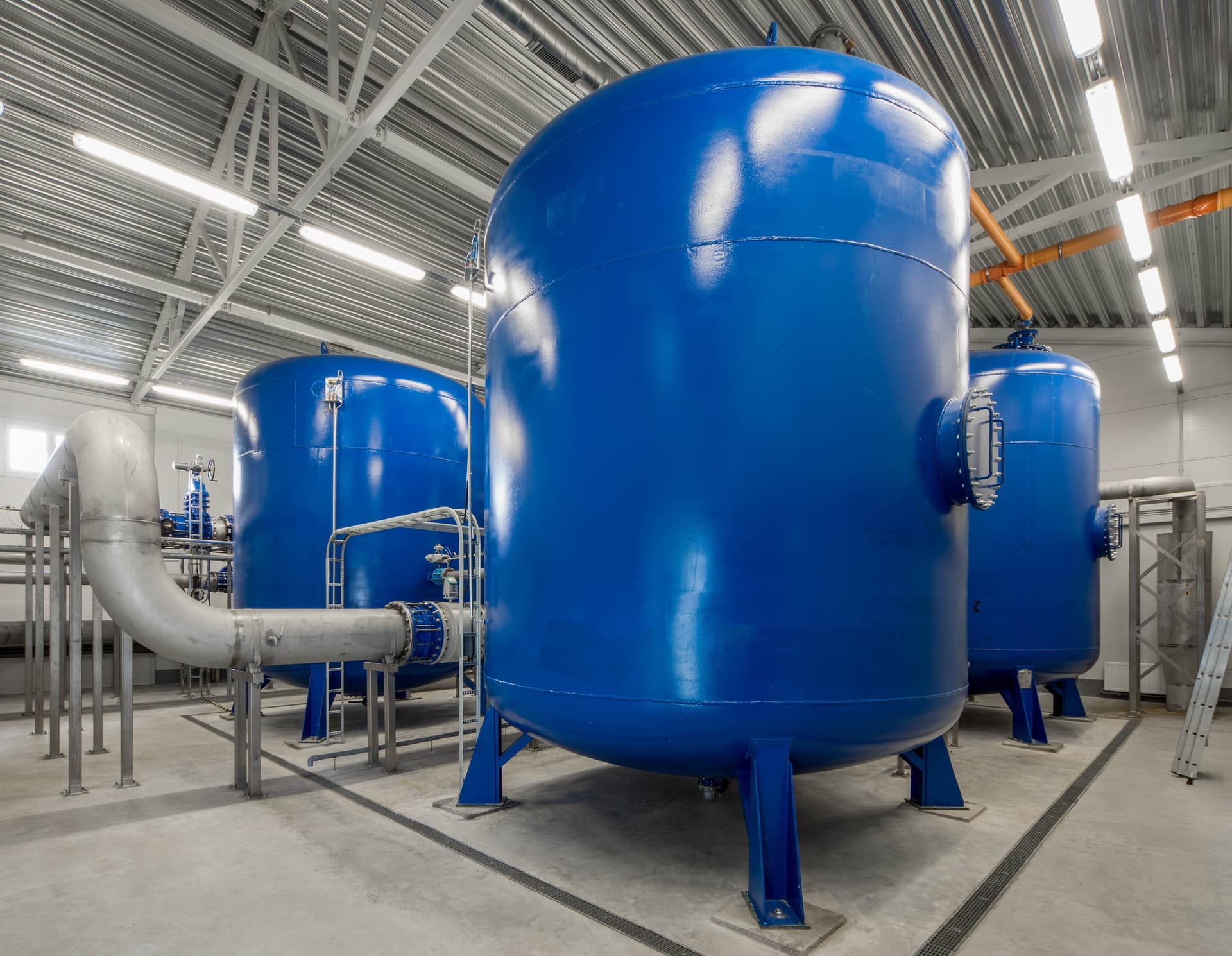
Data Center Water Treatment Plant | Confidential Client
Project Manager and process-mechanical engineer of record for a 1.6 MGD data center water treatment plant. Led project team through post due diligence, conceptual design, selection of treatment technology, through completion of design and commissioning. Coordinated subcontractors and collaborated extensively with multi-discipline team comprised of several consulting firms.
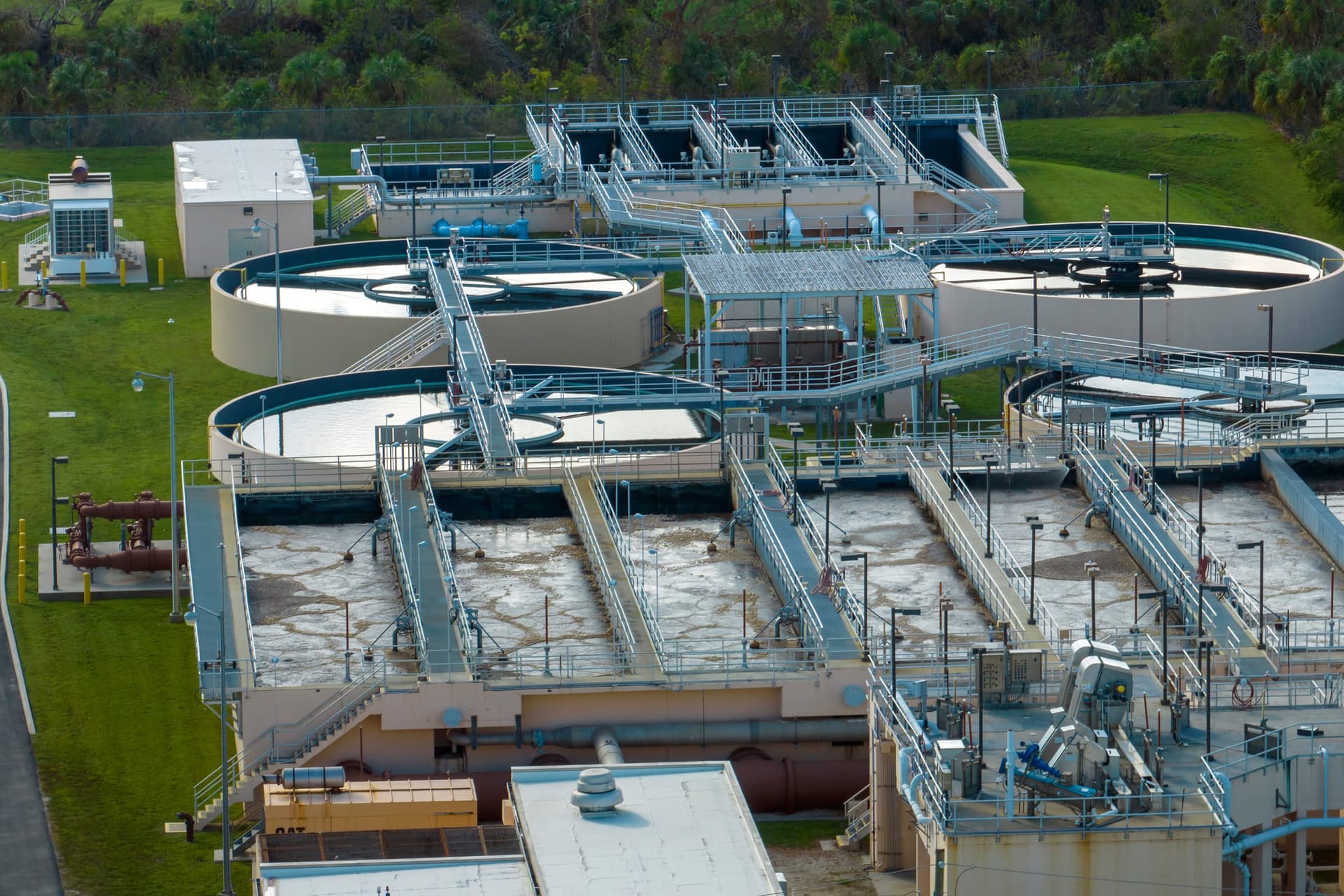
Wastewater Treatment Plant | Confidential Client, North Carolina
Senior advisory consultant for Wastewater Treatment Plant (WWTP) preliminary/ feasibility design and cost estimation, equipment sizing and selection, vendor liaising, and technology selection for 16 MGD WWTP semiconductor facility near Raleigh, NC. Coordinated vendors and subcontractors; supported project manager and project technical lead in appropriate technology sequence/ treatment trains, and approach to waste disposal.

Early Stage Site Due Diligence | Confidential Client, Various Locations
Conducted high-level reviews of federal, state, and local environmental requirements applicable to data center development, including accessibility and proximity to energy and water utilities, conducting water sourcing evaluations and permitting sensitivities related to land use, wetlands, floodplains, protected species, and cultural resources. Summarized key environmental risks and constraints, identified potential fatal flaws, and kept client management informed of issues likely to impact schedule and cost.
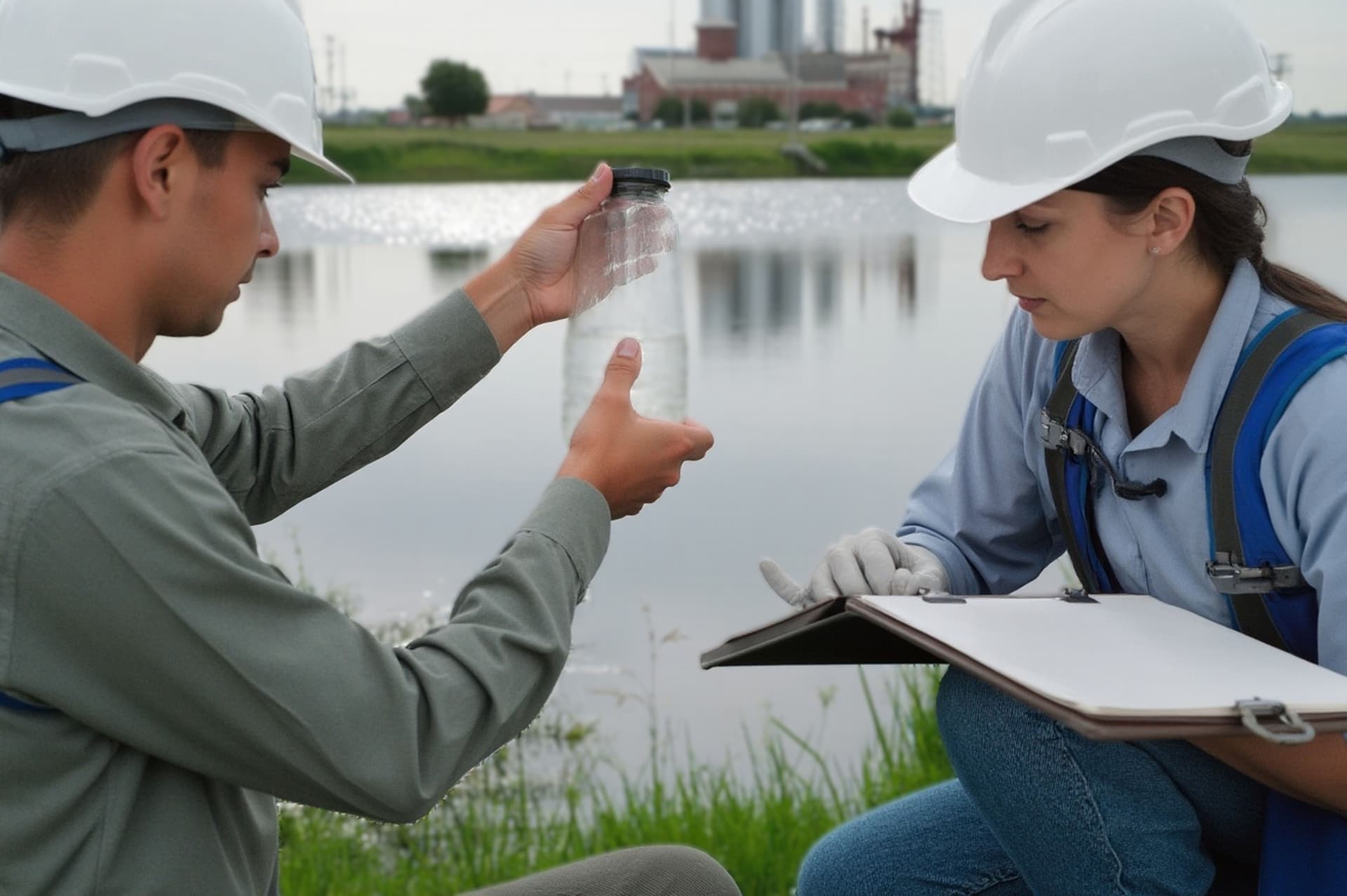
Industrial Pretreatment Permitting | Confidential Client
Evaluated anticipated data center wastewater streams, including cooling system blowdown, water treatment residuals, condensate, and ancillary process discharges to determine industrial pretreatment volumes, constituents of concern, and industrial user categorization. This included a review of facility design, water treatment processes, and projected discharge volumes, local sewer use ordinances, local limits, TMDLs, and reporting thresholds.
Our Advocacy
Where Policy Meets Progress.
We work to change the way people think about radiation, clean water, and energy consumption. We support the technological growth of human innovation through the responsible use and development of artificial intelligence — and support legal teams who advocate for industry, providing technical reviews, undertaking academic research, and allowing the voice of science to be heard. For owners and developers alike, allow us to relieve the management burden by serving as your Owner's Engineer.
Our People